Maine & NH Wedding Photographer | Why More Religious Couples Are Splitting Their Church Ceremony and Reception Into Two Different Days
There’s a trend popping up more and more with religious couples planning weddings, and honestly… it just makes a lot of sense.
Instead of cramming everything into one long marathon wedding day, couples are separating their church ceremony and their big reception celebration onto different days. And the more I see it, the more I’m like… yeah, this might be the smartest wedding planning move out there.
Let’s break down why.
The Church Ceremony Stays Sacred (And Intimate)
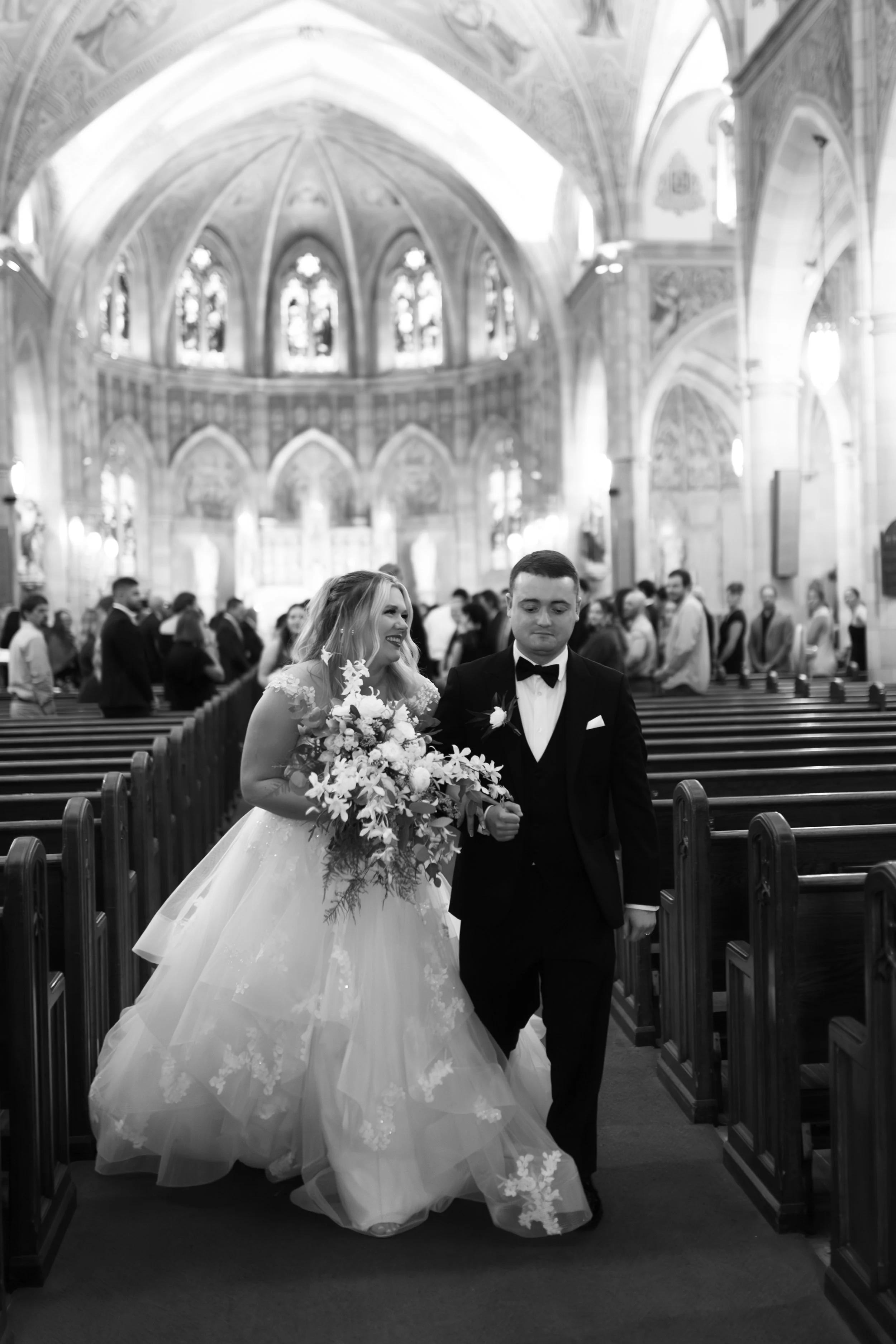
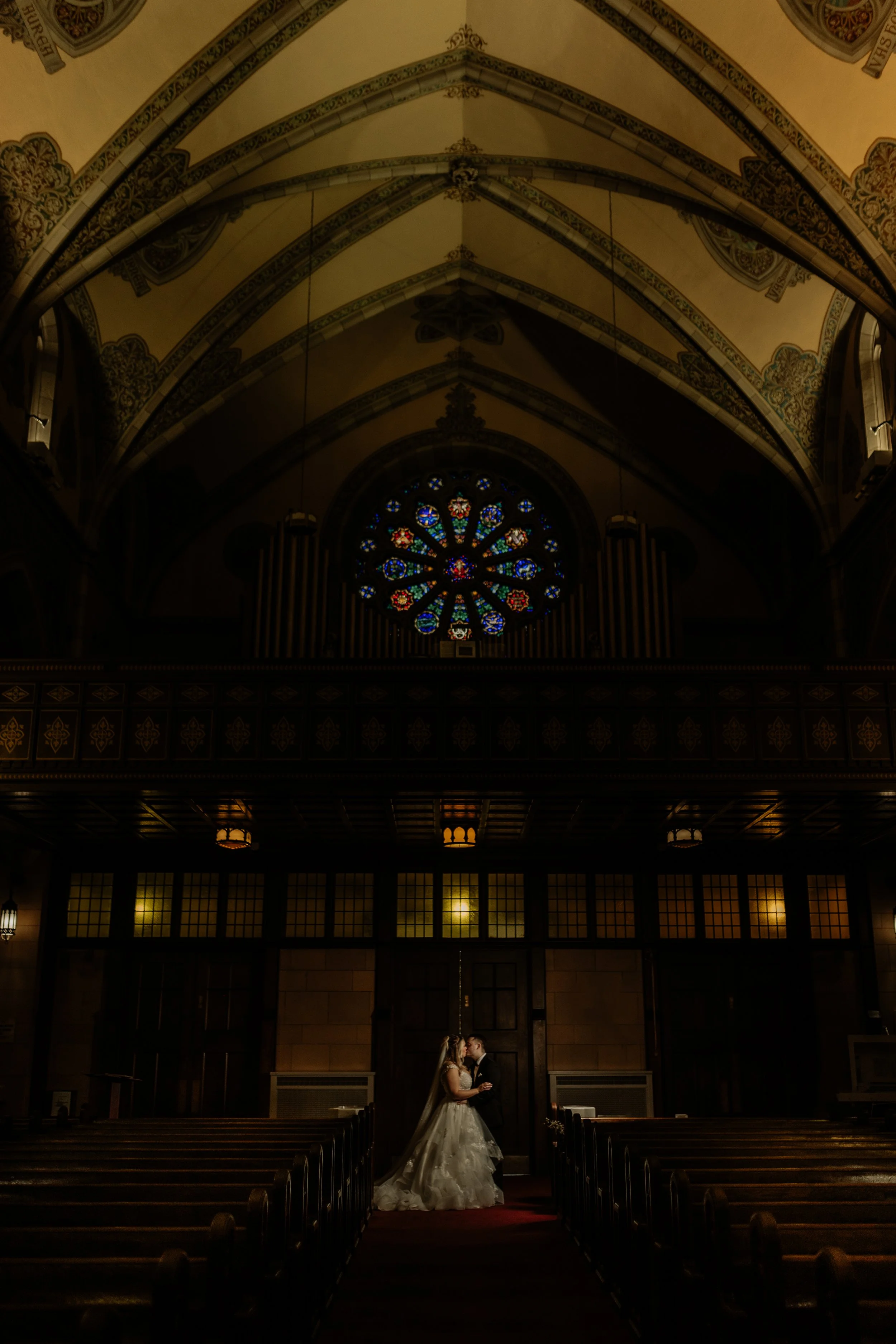
For couples who are really connected to their faith, the church ceremony isn’t just another part of the wedding timeline. It’s the actual reason for the day.
By keeping the church ceremony smaller, couples are inviting the people who truly want to be there for that moment, which is usually close family and a handful of friends.
Instead of 150 guests filling pews out of obligation, it becomes a much more personal experience. The focus stays exactly where it should be: the couple, their vows, and the meaning behind the ceremony.
It ends up feeling less like a production and more like a genuine moment between families.
No Weird Wedding Day Gaps
Traditional church weddings are usually held midday. That’s great for the ceremony… but not always great for the reception timeline.
You’ve probably seen it before:
Ceremony at 1:00
Reception at 5:30
Which leaves guests wandering around for four hours trying to figure out what the hell to do with themselves.
When couples move the reception to another day, that awkward dead zone disappears completely. The ceremony gets its own moment, and the reception becomes its own full event.
No rushed timelines. No weird waiting around.
Guests Aren’t Forced Into a Religious Service
Not everyone attending a wedding shares the same religious beliefs, and couples are becoming more aware of that.
By keeping the church ceremony smaller, couples aren’t putting their non-religious friends or family in the position of attending a full religious service just to be polite.
Those guests can still show up to the reception, celebrate the marriage, eat great food, dance their faces off, and support the couple without sitting through something that may not feel comfortable or familiar to them.
It’s respectful to everyone involved.
The Reception Gets to Be a Real Party
When the reception is its own event, couples can actually enjoy it.
No 10-hour wedding day exhaustion.
No racing against the clock.
You wake up, get ready, and show up to celebrate.
And because the ceremony already happened, the whole vibe shifts. The pressure is gone. The couple can just relax and party with their people.
It Creates Two Really Meaningful Days
Instead of trying to squeeze everything into one long blur of a day, couples get two completely different experiences.
One day is quiet, emotional, and focused on family and faith.
The other day is the celebration: the big hugs, the loud music, the packed dance floor, and the friends who have been waiting all year to party with you.
Honestly, it’s kind of the best of both worlds.
And From a Photographer’s Perspective…
Not cramming everything into one timeline gives the day room to breathe.
The ceremony feels calm instead of rushed. The reception feels like an actual celebration instead of the final exhausted stretch of a 12-hour day.
And couples are way more present for both moments.
Which, trust me, makes a huge difference in the photos and the experience.
Weddings don’t have to follow one rigid formula anymore. Couples are realizing they can build a day, or in this case, two days, that actually fits their lives, their families, and their priorities.
And if that means a meaningful church ceremony one day and a big party another?
Honestly… that’s a pretty solid plan.